Power Flushing — Clear Your Central Heating System
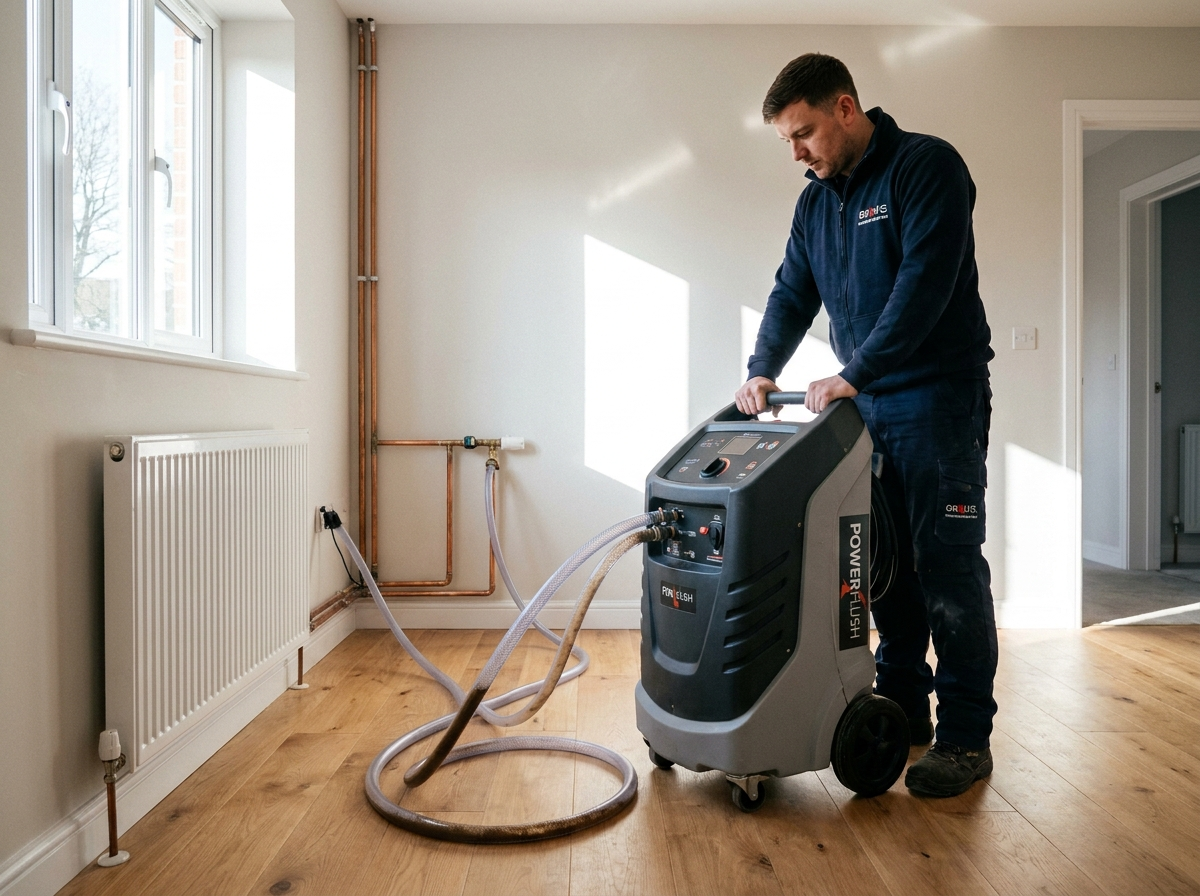 Central heating power flush in progress
Cold spots at the bottom of your radiators, a noisy boiler, or heating that's slow to warm up are often signs of sludge and rust building up inside your central heating. A power flush clears it out and gets everything circulating properly again.
Signs you may need a power flush
- Radiators cold at the bottom but warm at the top
- Some radiators never get hot
- Dirty, black water when you bleed a radiator
- A noisy boiler or pump
- Heating slow to warm up
What a power flush involves
Using a specialist machine, an engineer pushes water and cleaning chemicals through your radiators and pipework at high flow to remove debris, then adds a corrosion inhibitor to protect the system. The result is better heat distribution, lower bills and a longer life for your boiler.
How much does a power flush cost?
A power flush typically costs £300–£800, depending mainly on the number of radiators and the state of the system. It's often recommended before fitting a new boiler.
Watch: what is a power flush?
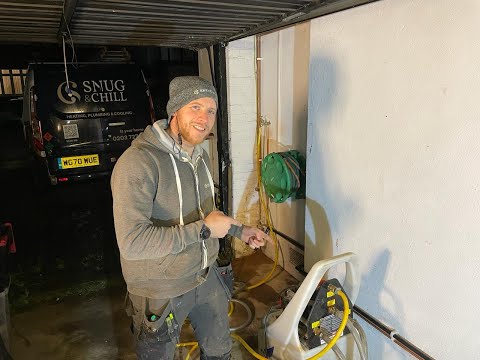 Watch: what is a power flush and how it works
Related services
Frequently asked questions
How long does a power flush take? Usually half a day to a full day, depending on system size. Do I need one before a new boiler? Many installers recommend or require it to protect the new boiler and keep the warranty valid.
Find a power flushing engineer in your area — choose your city from the menu above.